Lost wax: the art of casting a piece only once
In a workshop in Ouagadougou, three artisans cast bronze by hand, with one of the oldest techniques in the world. We followed a piece from the first touch of wax to the moment the mould is broken.
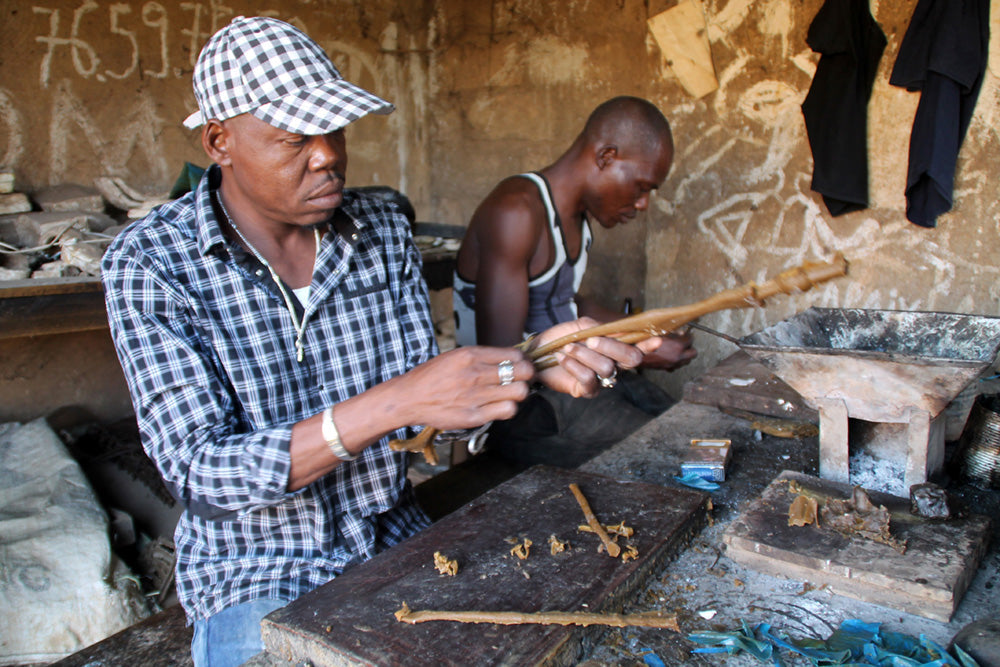
The workshop
Issouf, Boureima and Boukary work together in Ouagadougou, the capital of Burkina Faso. Every UMOJA bronze sculpture comes from their hands. There are no machines and no production lines, only fire, earth, metal and time.
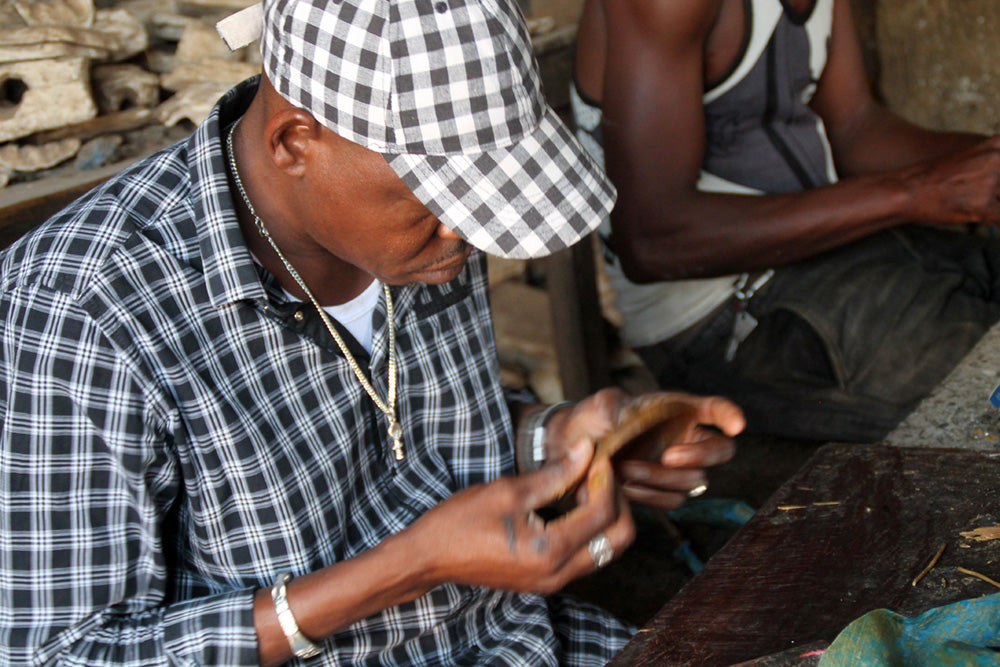
IWax
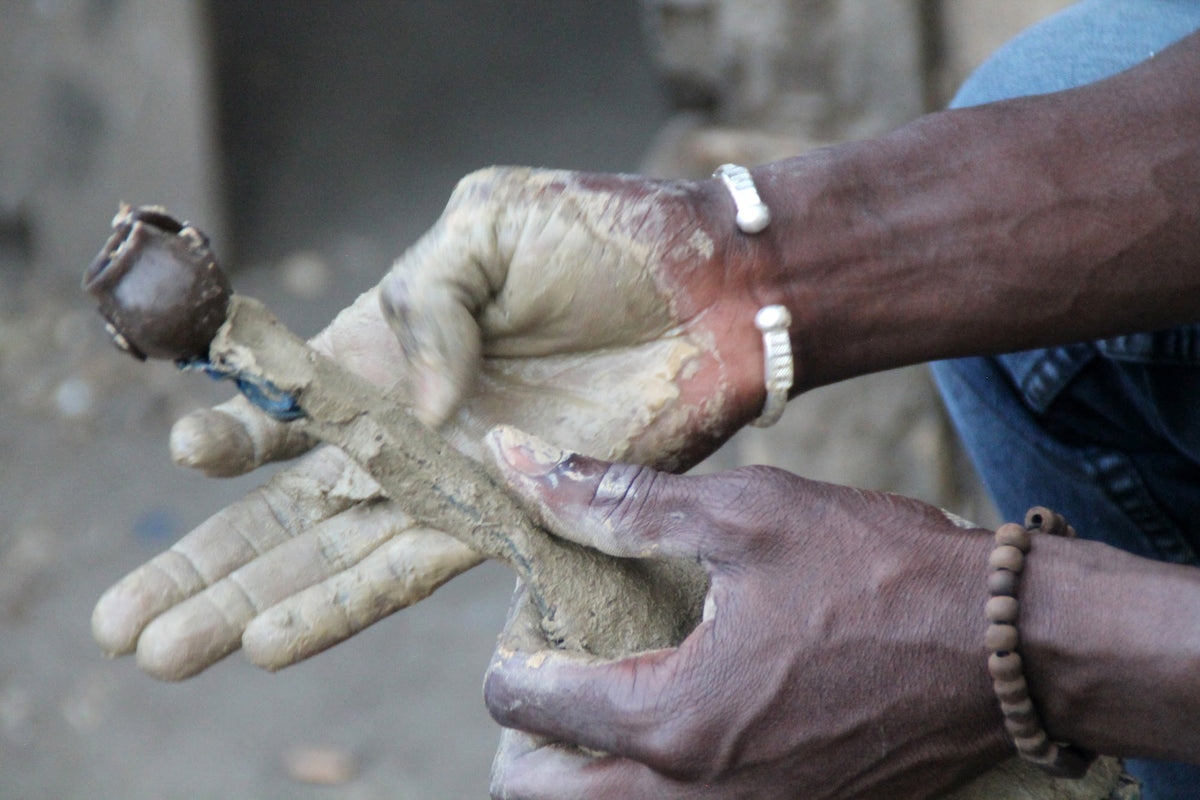
Shaped by hand
Everything begins with wax. The artisan models the figure by hand, without a template: the posture, the face, the folds of the clothing. Every detail sculpted in wax will appear in the final bronze, down to the marks of the tools.
IIClay
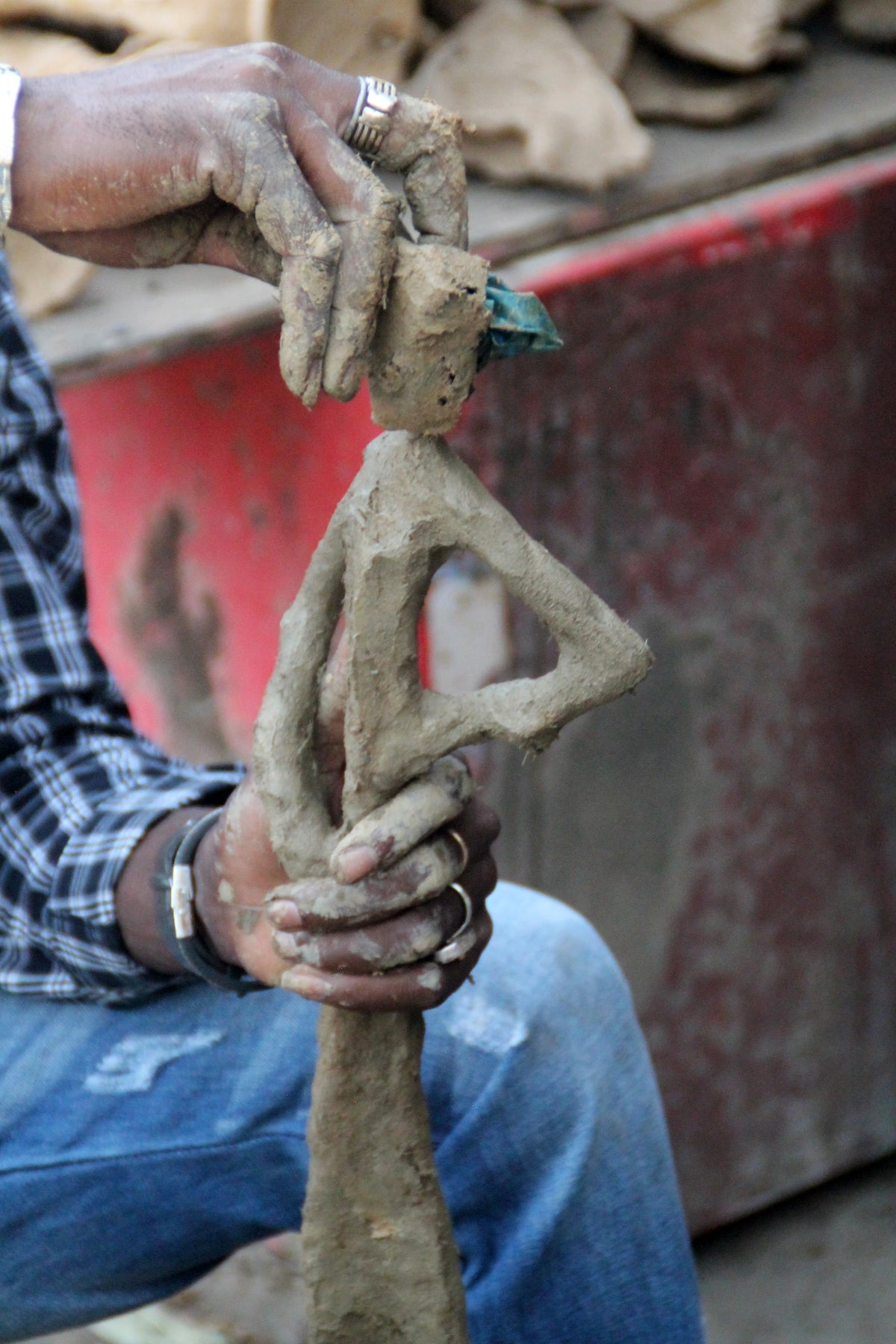
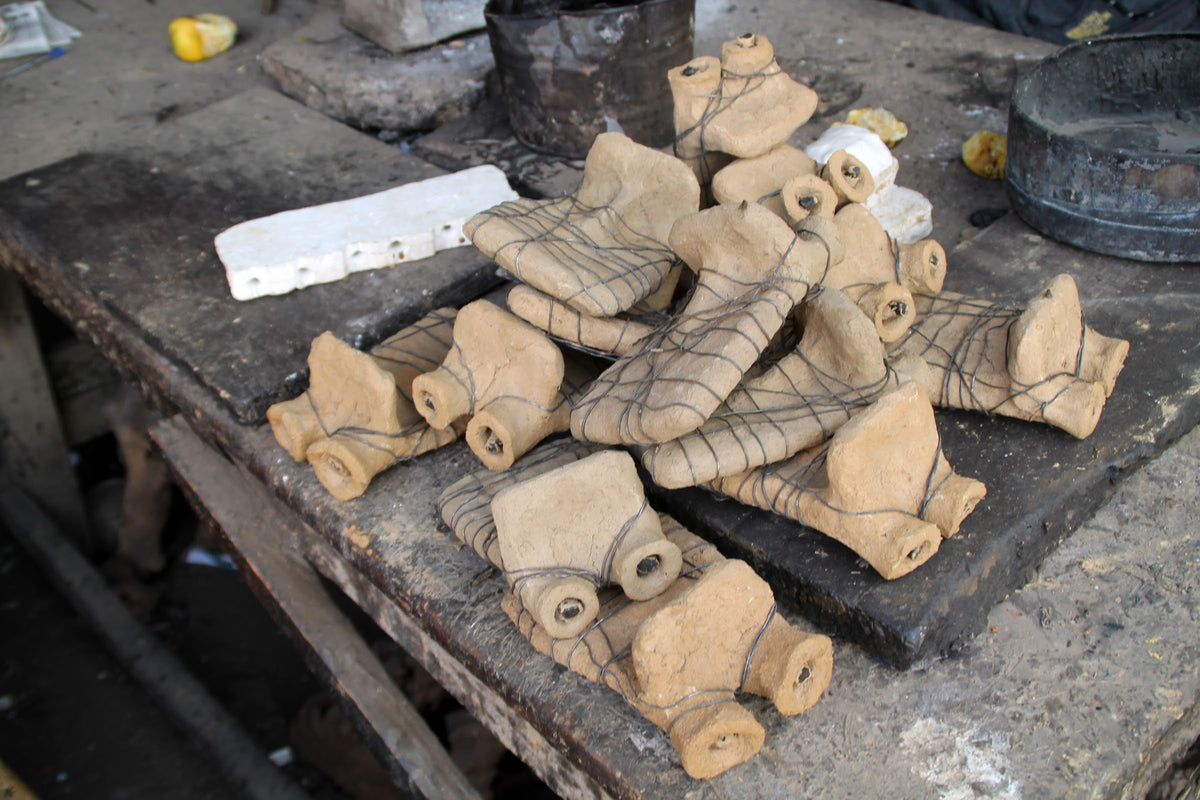
Wrapped in clay
The wax figure is then covered in clay, layer after layer, until it disappears completely.
The moulds
Once dry, the clay becomes a mould. Inside it, the wax figure waits for the fire.
IIIFire
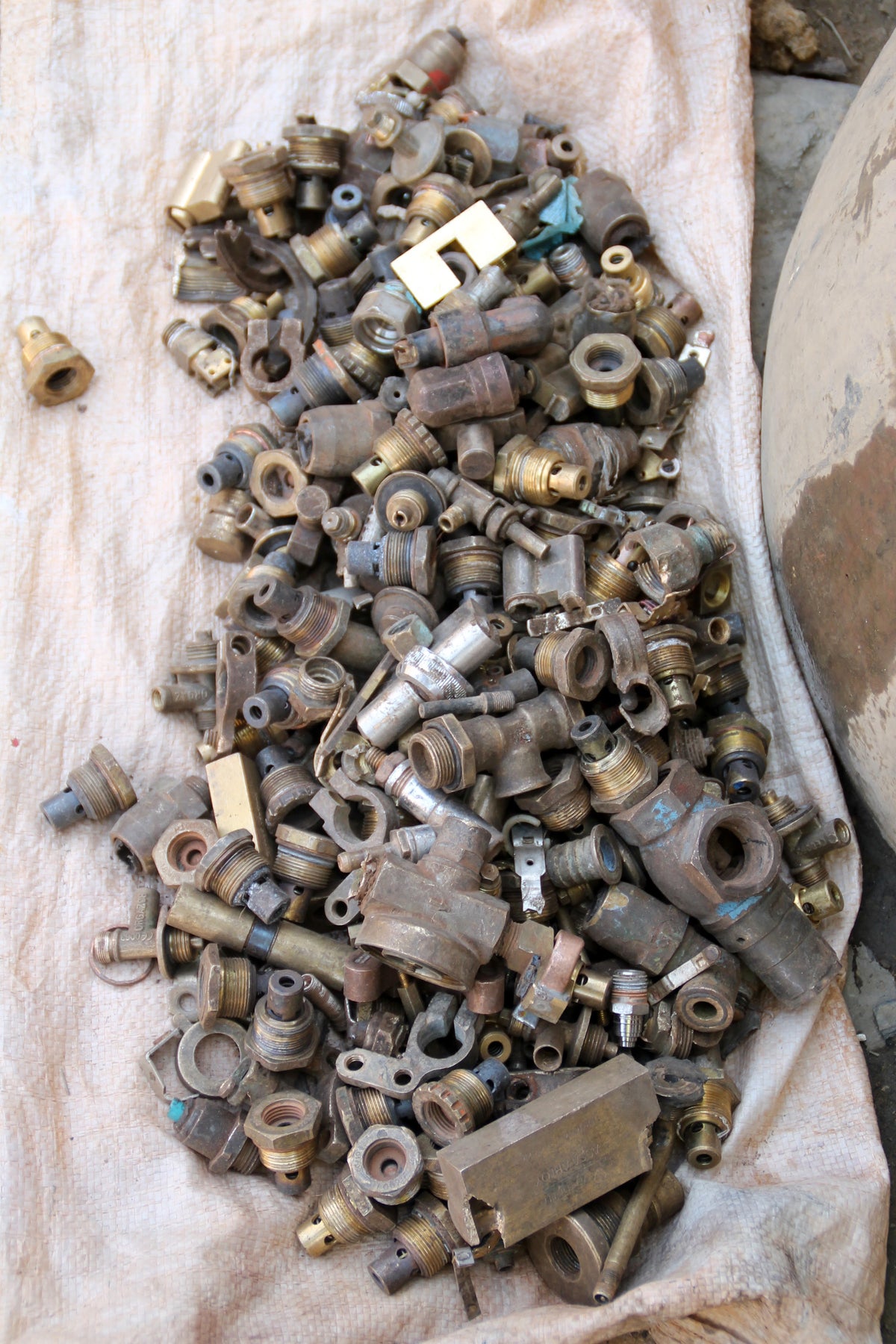
The metal
The bronze is prepared and heated until it melts.
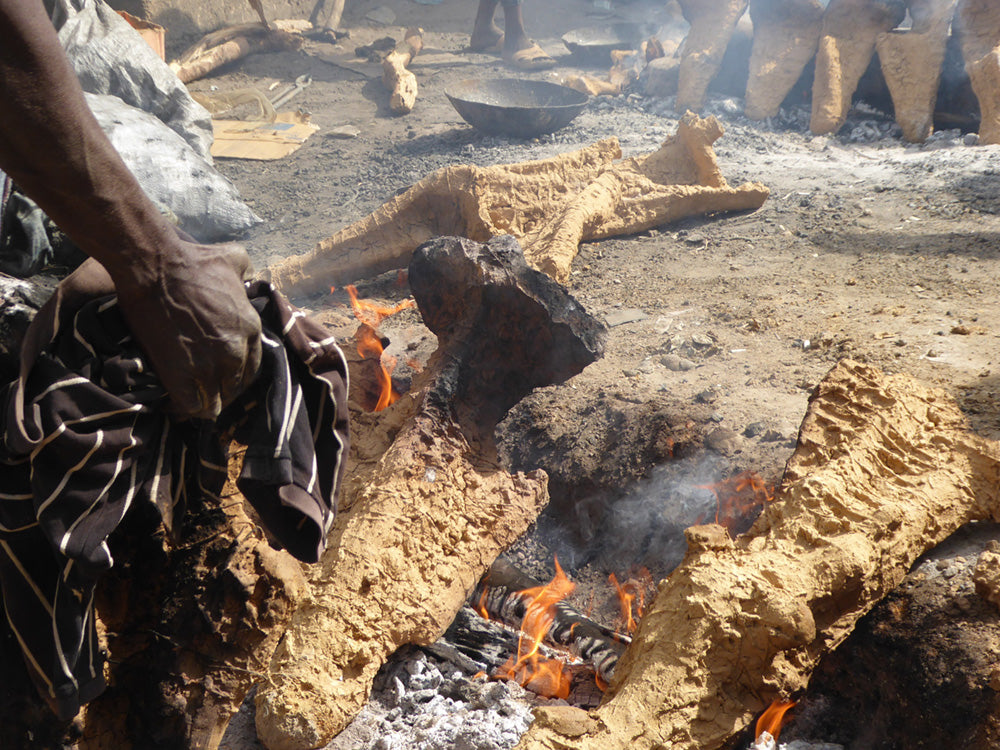
The wax is lost
The mould is heated. The wax melts and runs out, leaving an empty space with the exact shape of the sculpture. This is why the technique is called lost wax: the original is gone forever.
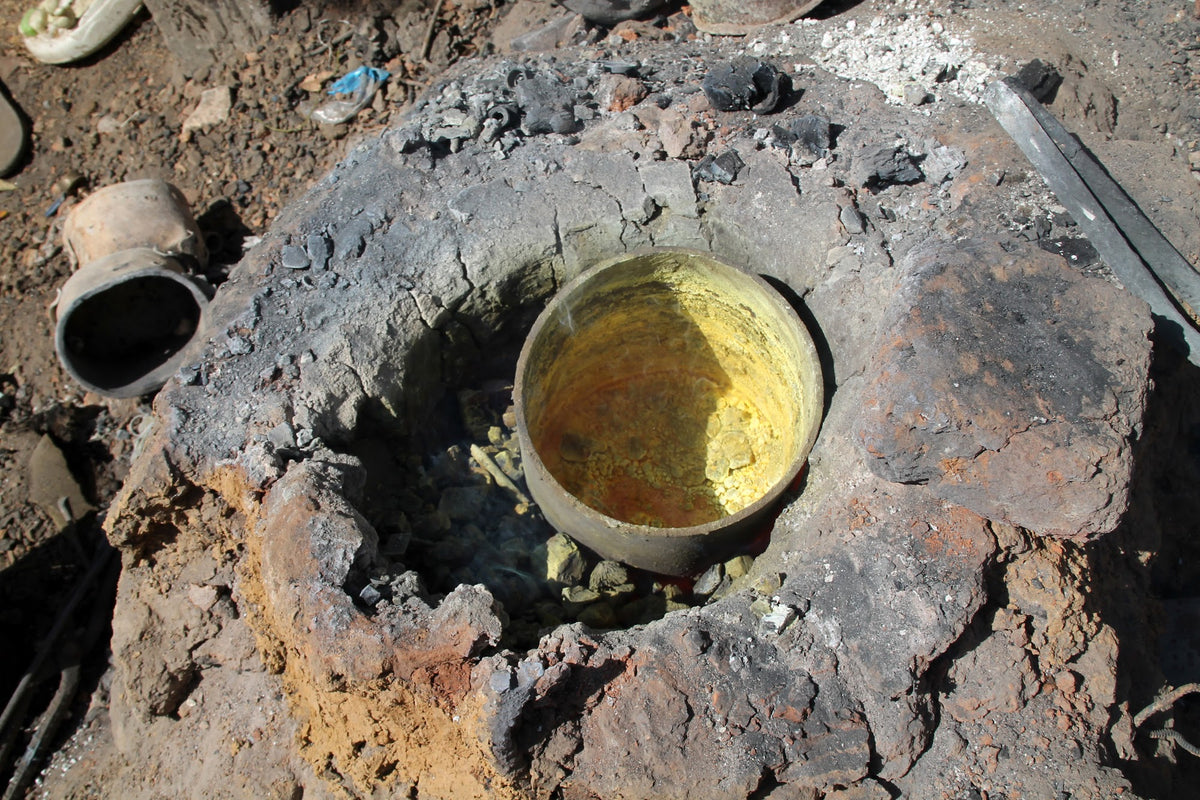
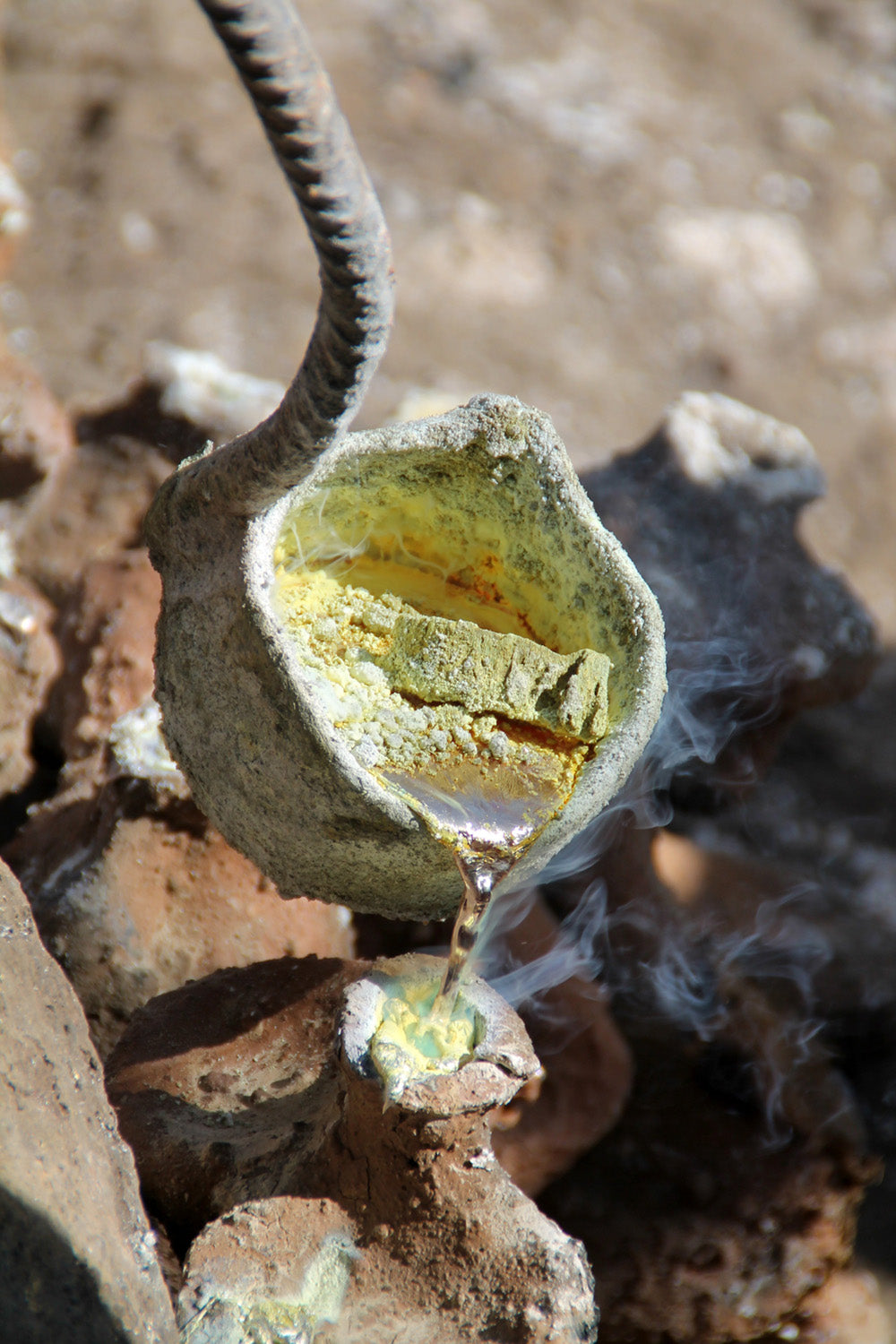
Molten bronze, poured
The molten bronze is poured into the mould. It fills every hollow left by the wax, every curve and every line.
IVReveal
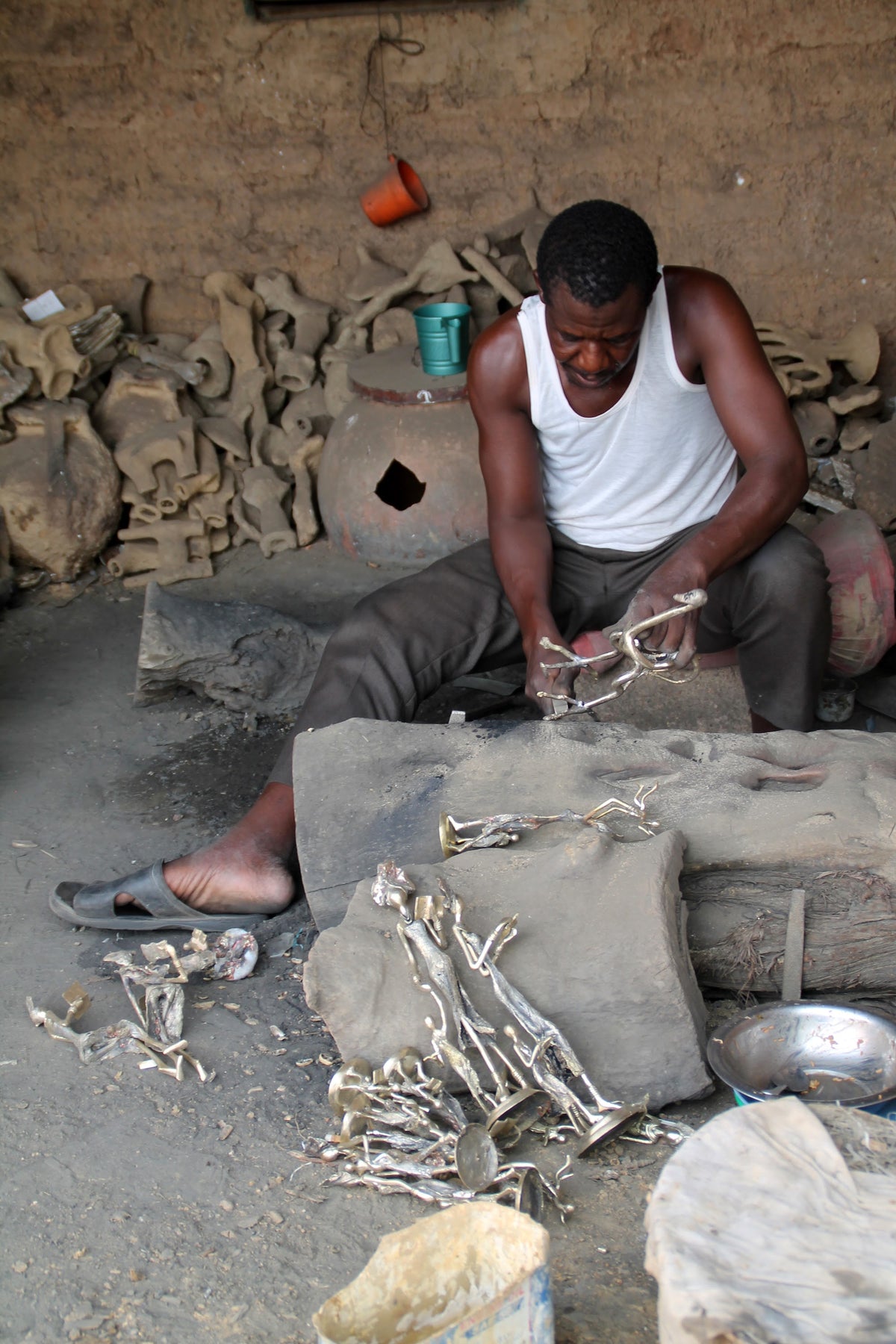
Broken free
When the metal has cooled, the mould is broken to free the bronze. The mould cannot be used again. That is why each sculpture exists only once.
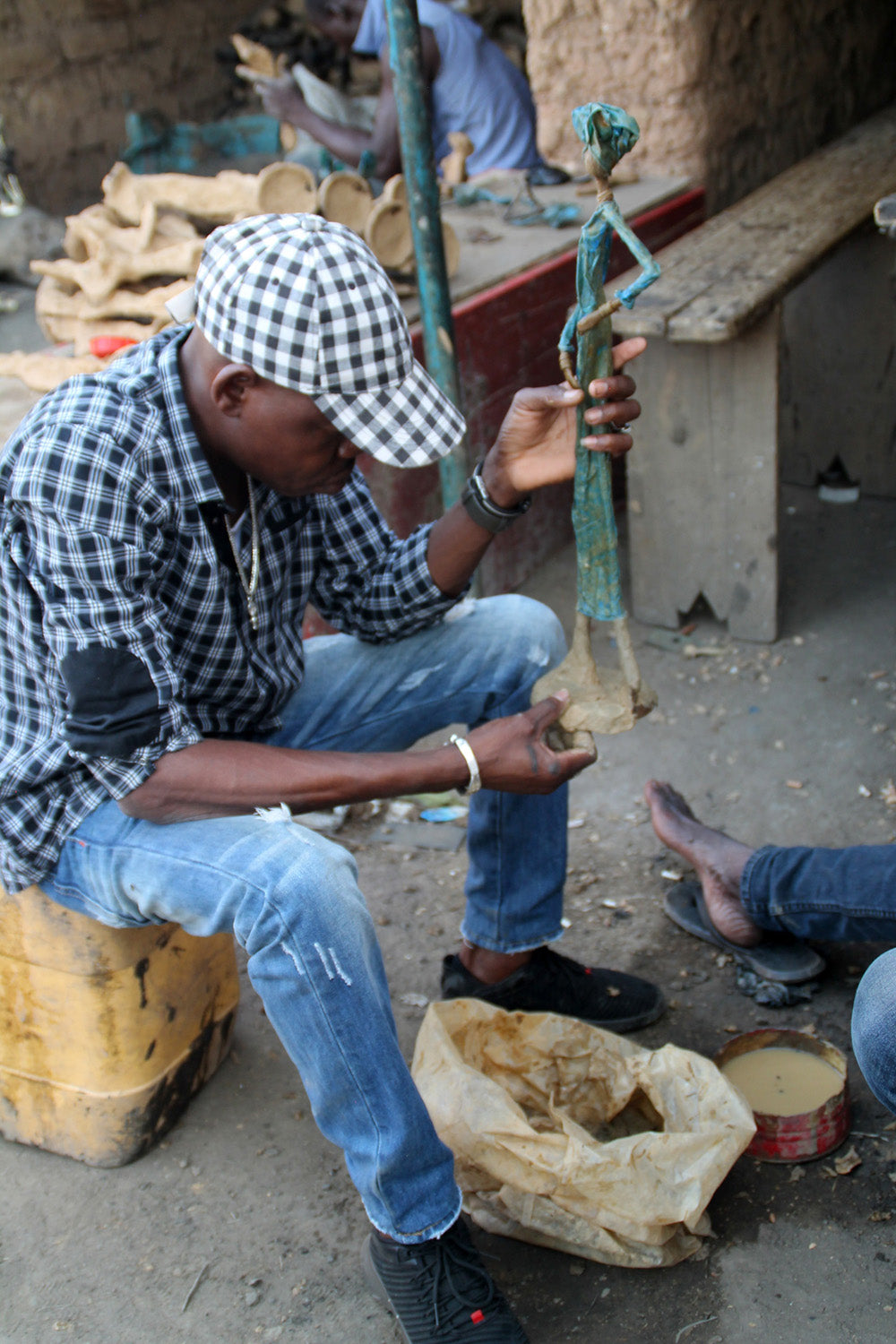
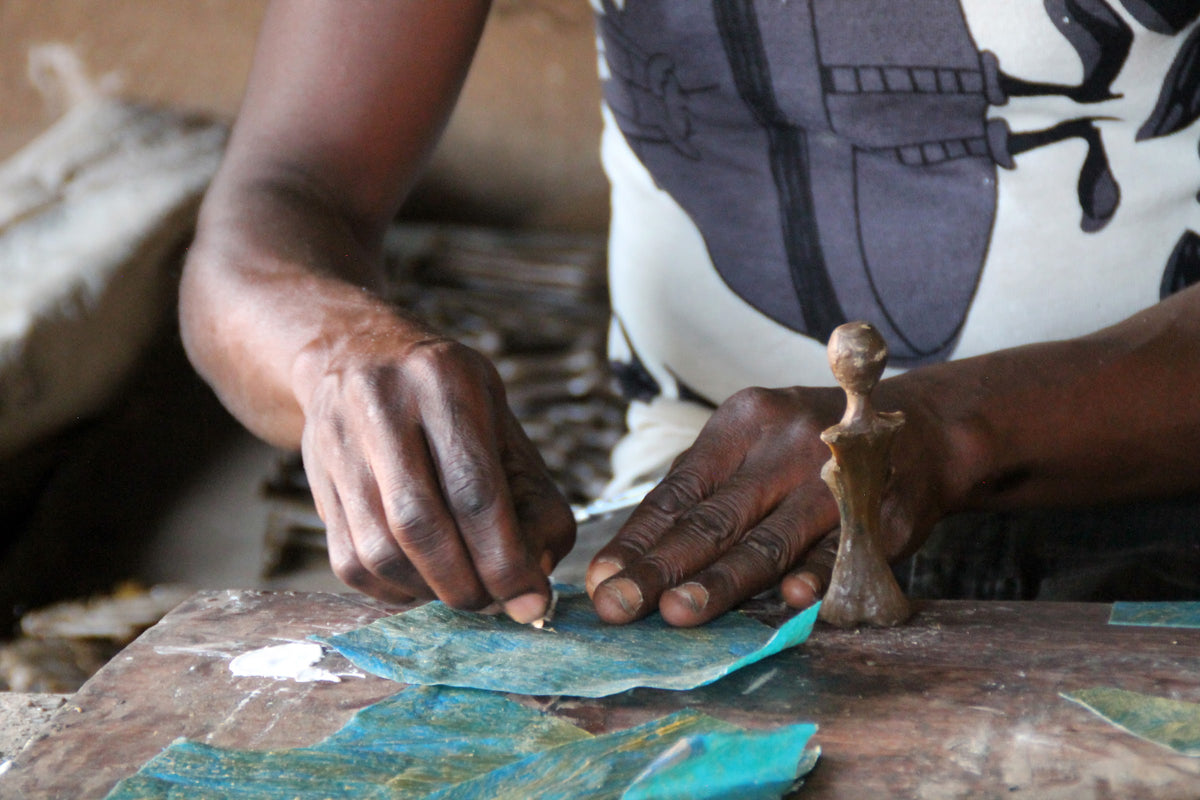
Filed and polished
The raw bronze is filed, cleaned and polished by hand.
Patina
The patina gives the bronze its final colour and depth.
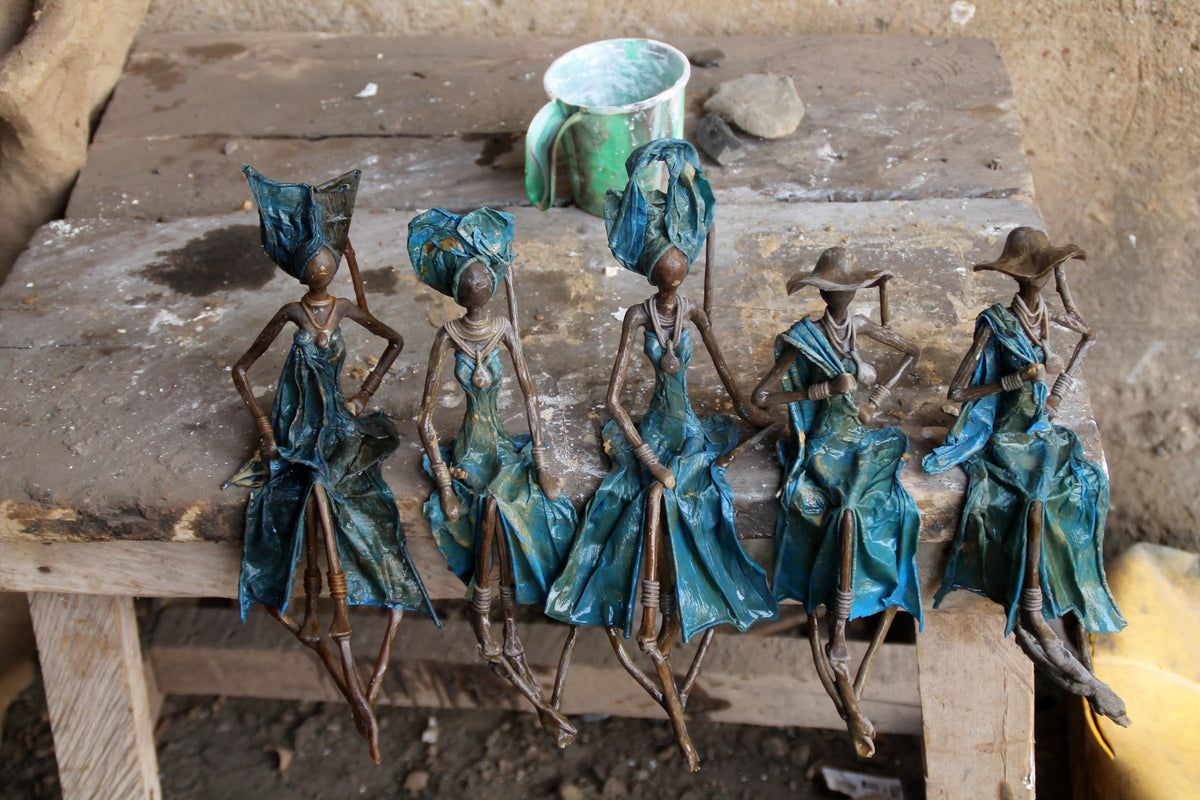
Ready to leave
The piece is checked, protected and ready to travel to its new home.
One mould, one piece.
A bronze cast with lost wax is never a copy. Two sculptures can share a subject, but never the same marks, the same lines or the same patina. When you live with one of these pieces, you live with the hands and the fire that made it.